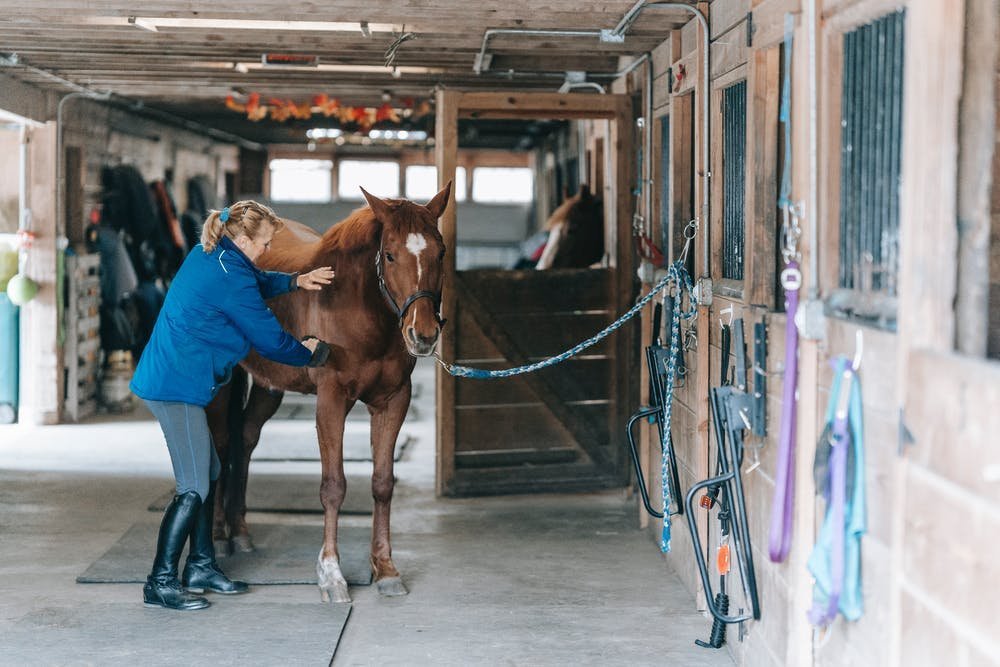
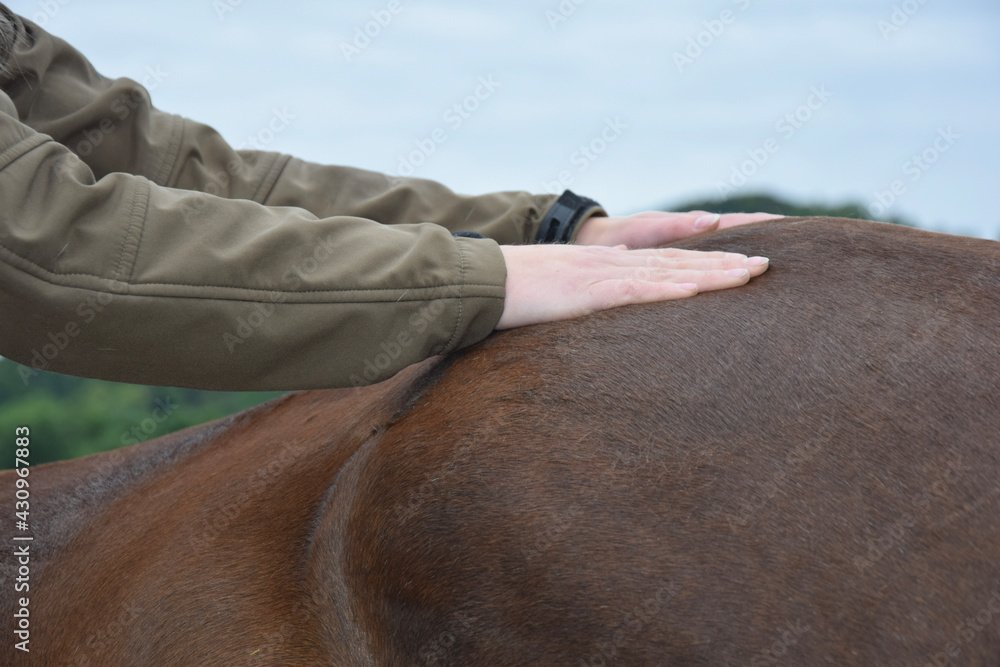
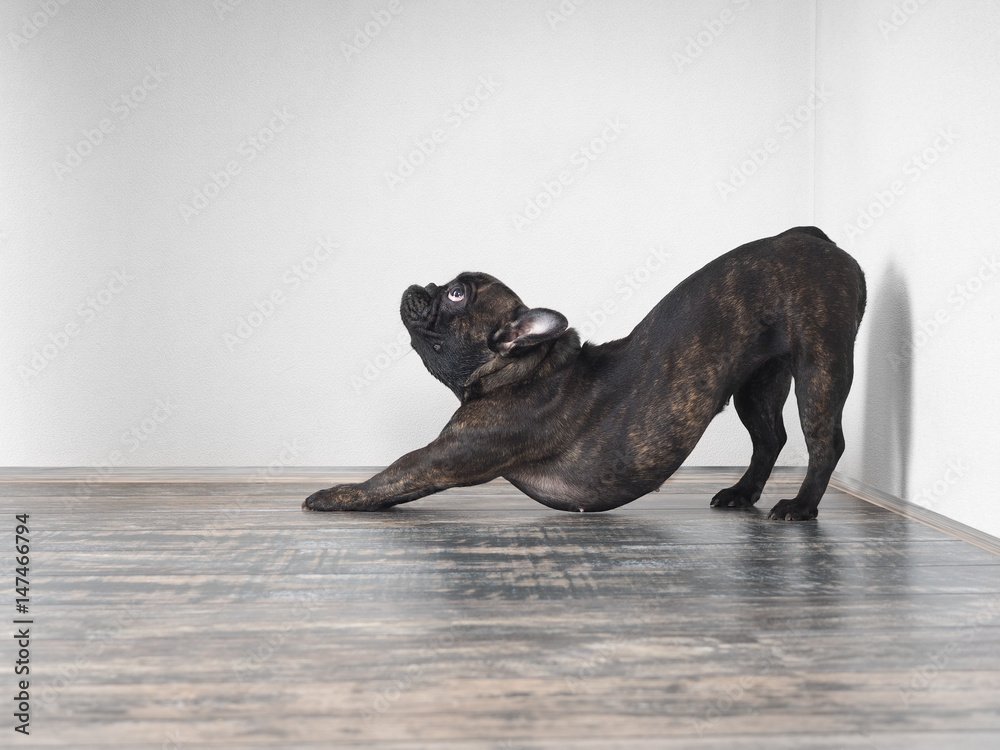
Caring daily for your horse wellness allows you to quickly pick up on any abnormal behavior or symptoms. Your caring massage will even detect abnormalities much earlier than by sight allowing you to take immediate action. Regular stretching will also provide you...
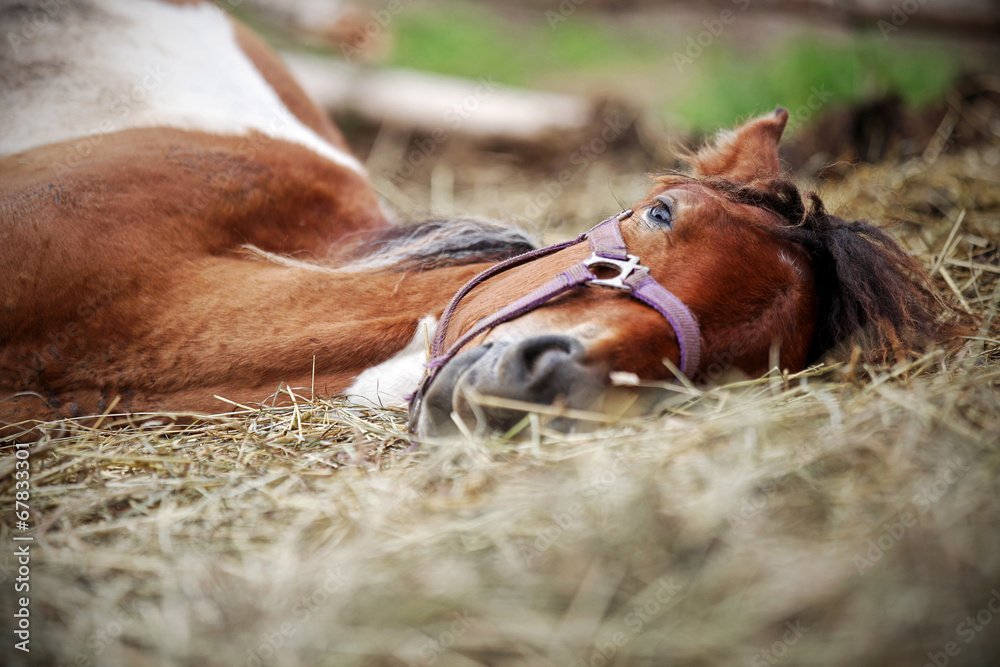
Heat & Cold Applications
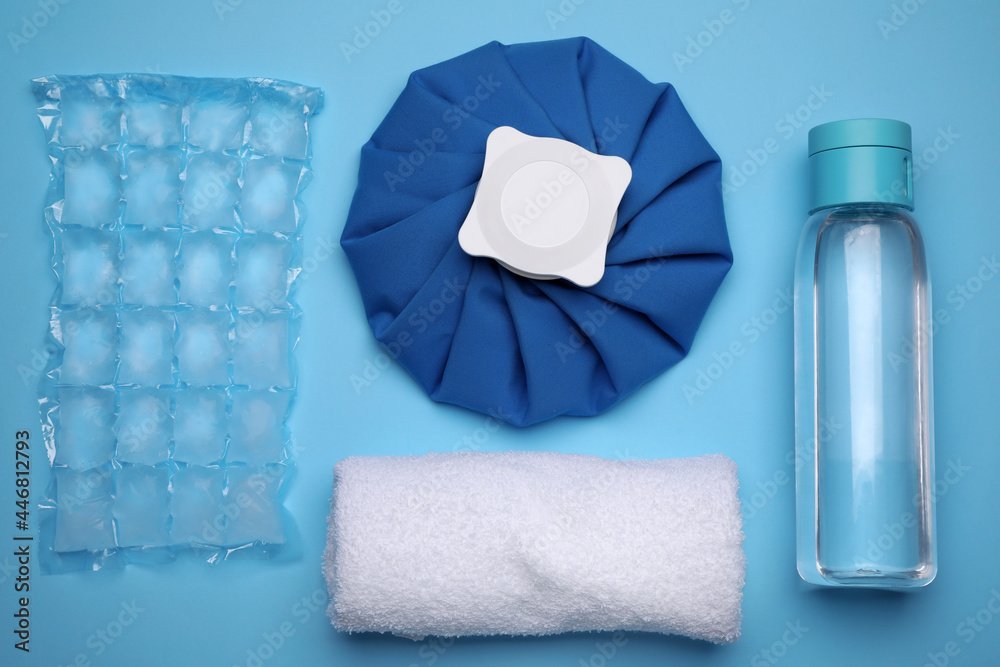
Heat and cold applications are used to relieve pain in acute or chronic conditions and in inflammatory disorders for both humans and animals. Heat and cold are still the best treatment in the practice of pain control. Because they affect the superficial nerve endings,...
General Benefits of Equine Massage
Performance horses, like human athletes, work very hard to reach top results. Unfortunately, such demanding training often results in soreness, stiffness and sometimes in injuries and pain. The right combination of massage therapy, stretching and hydrotherapy...
Equine Massage Simplified
You know how good you feel after a massage. Believe it or not, your horse might enjoy, and benefit from one too. In this article, learn all about the benefits of equine massage to sooth your animal's aches, or just spend enjoyable time together. Massage is one of the...
Do’s and Don’ts
The atmosphere in which you work will directly influence the efficacy of the massage. What follows are some suggestions for making massage treatment safe for both you and your horse. Do's Do evaluate the horse's health by checking his vital signs (pulse, temperature,...
How Can You Tell Your Horse is Dehydrated?
During the massage of your horse, you can easily assess if your animal shows signs of dehydration or not. Though the quality of your touch, you can tell. Usually a general loss of skin elasticity and an increase in muscle tone are the two most common forerunner signs...
Cool-downs with Equine Massage
Being able in a short period to assist the blood circulation with a simple short massage routine is an advantage that most professional athletes put on their side. You horse benefits of the same advantage just after a ride or exercising regardless of his discipline....
Contra-indications to Massaging Your Horse
The term contra-indication is used to describe specific situations in which you should not massage a horse and in which you should seek the advice of your veterinarian. General Contra-Indications Do not massage when the horse's temperature is over 102° Fahrenheit (F)...
Cold-Back
The term Cold-Back refers to an inflammatory condition of the muscles of the back. Most of us have seen horses with cold backs ranging from mild to severely tender, with the horse flitching down as soon as you touch his back. The main muscles affected in this...
Stretching Your Dog
The therapeutic benefits of stretching are well known to all people, either to simply improve flexibility or just for relaxation. Today, stretching exercises are part of any training or fitness exercise program, as well as part of physiotherapy or massage therapy...
Turn reading into hands‑on skill
Structured, recognised massage programs for horse and dog owners – learn at your own pace with lifetime access.